Revolutionize Your Outdoor Setting: Professional Landscaping Guidance for an Exceptional Home Garden
Transforming an outdoor space into a stunning home garden involves careful planning and deliberate implementation. By evaluating the unique characteristics of a yard, individuals can establish definitive garden objectives. Choosing vegetation appropriate for the regional weather is essential. Additionally, incorporating functional hardscaping elements improves both aesthetics and functionality. However, the process doesn't stop there. Learning how to preserve beauty and ecological balance can enhance any garden to the next level. What approaches will result in enduring achievement?
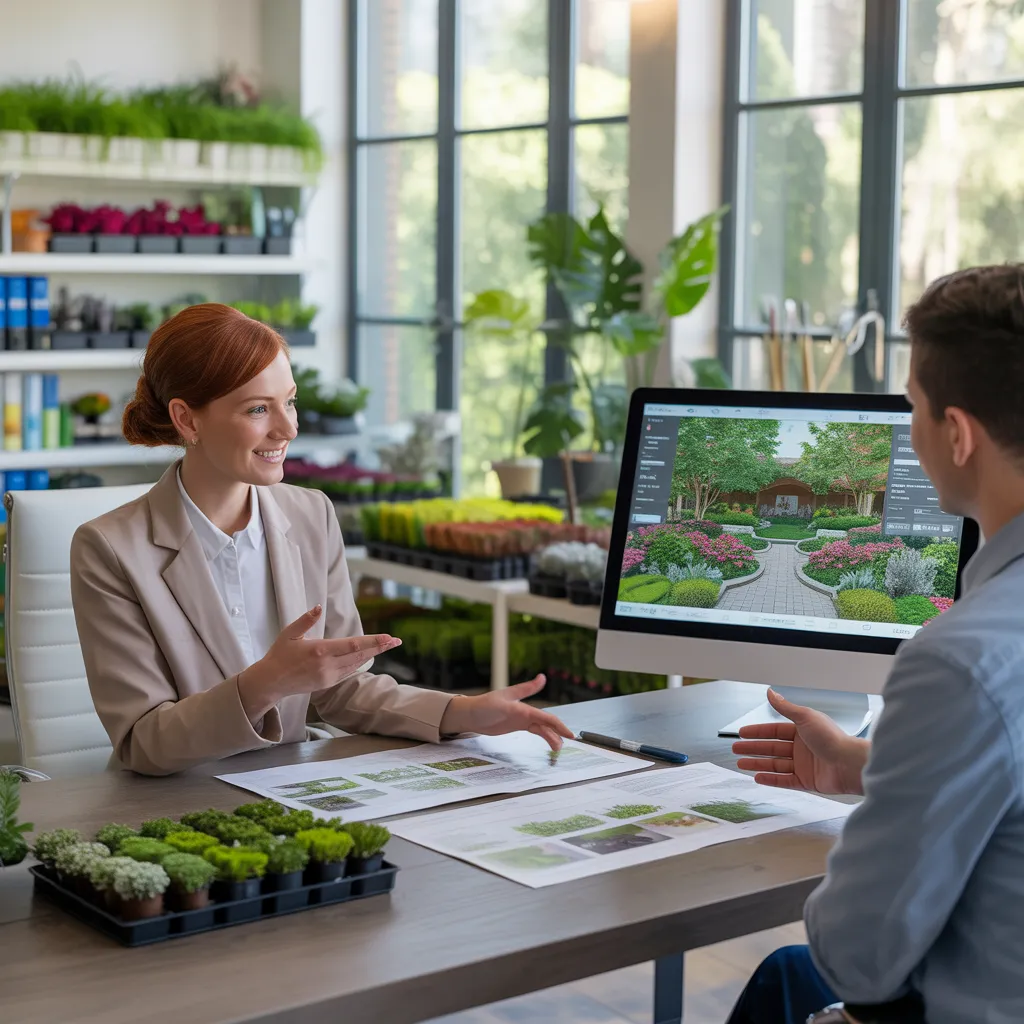
Analyze Your Yard to Set Your Landscape Design Goals
Before commencing any landscaping project, it is essential for homeowners to thoroughly evaluate their exterior setting. This initial evaluation enables them to grasp the distinctive characteristics of their property, including light exposure, soil composition, and existing vegetation. Identifying these aspects supports in establishing which kinds of design elements can be successfully integrated into the environment.
Homeowners should take dimensions and note any obstacles including vegetation, fences, or walkways that could affect the design. Furthermore, understanding individual tastes and living requirements—such as entertainment areas, plant cultivation, or leisure—can guide the garden objectives. By clearly defining these aims, property owners set a strong foundation for a unified and practical exterior area. This thoughtful assessment ultimately leads to a more rewarding and successful landscaping project, guaranteeing the exterior environment improves not just the property's visual appeal but furthermore fulfills the practical needs of its residents.
Choose the Right Vegetation for Your Regional Conditions
Choosing the right plants for a particular region is essential for establishing a thriving outdoor space. Understanding regional climate conditions, including heat levels, precipitation, and moisture levels, helps homeowners choose plants that will flourish. Indigenous vegetation often adapt best, needing less upkeep and irrigation. For copyrightple, drought-resistant varieties are perfect for dry climates, while moisture-loving species flourish in moisture-rich environments.
Gardeners should further take into account seasonal changes; selecting plants that provide year-round interest improves the landscape. Early bloomers, warm-season vegetation, and colorful autumn leaves can develop a striking visual display. Furthermore, speaking with neighborhood nurseries or agricultural resources can provide helpful information into hardy plant varieties adapted for particular regions.
Ultimately, a strategically designed plant selection not just improves beauty but also supports native fauna and promotes ecological health, making it a wise choice for any exterior area renovation.
Transform Your Garden With Functional Hardscaping Components
Functional hardscaping elements serve as essential components in defining outdoor spaces and maximizing their practicality. By adding seating zones and well-designed pathways, homeowners can create inviting environments that encourage relaxation and movement. Additionally, edging can establish different zones within the garden, adding structure and visual interest.
Structure Your Exterior Environment
Creating a strategically designed outdoor space can transform a garden into a welcoming retreat. One proven approach to achieve this is through functional hardscaping elements, which create organization and layout. Pathways made from stone or masonry guide guests while creating visual appeal. Retaining structures can form layered heights, enhancing the garden's overall design and preventing soil loss. Fencing or trellises can mark boundaries, ensuring seclusion and a sense of enclosure. Adding elevated planting areas not only establishes growing zones but also improves accessibility. These elements work together to establish separate areas that enhance both related resource aesthetics and functionality. Ultimately, a well-defined outdoor space fosters a serene environment where homeowners can relax and enjoy nature.
Add Resting Zones
Incorporating seating areas into an exterior environment greatly improves its functionality and attractiveness. By adding practical hardscape features, homeowners can create inviting spots for rest, gathering, or appreciating the outdoors. Choices range from benches, outdoor furniture, or hanging seats, each adding to the landscape's visual appeal and coziness. Strategically placing seating near key areas like garden displays or fountains, encourages users to engage with their environment. Additionally, using materials like stone or wood can complement the garden's design, ensuring a cohesive look. Overhead coverings, such as arbors or parasols, offer relief during warmer months, ensuring these spaces are functional year-round. Ultimately, expertly crafted sitting zones transform an ordinary garden into a welcoming retreat for family and friends.
Establish Walkways And Edges
Pathways and borders are important features in garden design, navigating visitors across your garden while strengthening its foundational quality. These establish order and movement, supporting the recognition of separate zones and vegetation types. Stone, gravel, or brick materials can build durable pathways, whereas natural borders from shrubs or decorative barriers increase aesthetic quality. Pathways can promote wandering, highlighting focal points such as garden beds or water features. Well-designed borders minimize invasive plants and ground erosion, promoting garden health. In summary, adding pathways and borders improves functionality and adds visual sophistication to your landscape, making spaces more attractive and rewarding.
Create Flow With Pathways and Seating Areas
A carefully organized outdoor environment frequently presents a natural flow produced through strategically positioned walkways and seating spaces. Walkways navigate visitors within the garden, forming a distinct sense of progression while boosting the complete aesthetic quality. Incorporating choices like stone, wood, or gravel can enhance the walkway's charm and guarantee longevity.
Seating areas provide rest points, inviting guests to pause and appreciate the surroundings. Strategically positioning seating near focal points, such as a fountain or a flower bed, encourages interaction with the landscape. The choice of seating—benches, chairs, or even hammocks—can influence the atmosphere, whether it be casual or formal.
Combining walkways and sitting spaces generates a warm environment, upgrading utility and contentment. In tandem, they construct a smooth flow between distinct areas of the garden, stimulating exploration and rest, ultimately reshaping any exterior setting into a calm escape.
Enrich Your Outdoor Space With Seasonal Shades and Character
To boost the decorative value of a garden, strategic selection of seasonal species is vital. Mixing contrasting surface qualities can establish dimension and appeal, while intentionally positioned centers of interest can grab focus and establish a harmonious arrangement. These components in combination promise a vibrant and active outdoor area across the year.
Decide on Seasonal Plants Judiciously
Choosing plants for different seasons thoughtfully can convert your garden into a stunning array of hues and forms. By picking plants with staggered blooming periods, gardeners can guarantee a continuous display of beauty. Spring bulbs, summer annuals, autumn perennials, and winter evergreens each add distinctive colors and shapes to the landscape. It is important to consider local climate conditions and soil types, as well as the plants' growth habits. Regional native plants often perform better while needing less care, enhancing biodiversity. Additionally, combining plants with varying heights and bloom times can achieve an engaging visual presentation. Ultimately, mindful plant choices fosters a garden that evolves with the seasons, delivering enjoyable displays throughout all seasons.
Develop Layered Textures To Create Visual Depth
Producing depth in a garden entails mixing textures that support and highlight seasonal tones. By incorporating a variety of plants with differing foliage shapes, sizes, and colors, one can achieve a visually dynamic landscape. For instance, the use of broad-leaved plants alongside fine-textured grasses can create contrast and intrigue. Additionally, integrating bark, stones, and other natural materials offers tactile elements that heighten the garden journey. Blooming plants should be deliberately positioned to create color moments throughout the seasons, sustaining visual richness at every level. This thoughtful arrangement not only guides viewers throughout the space but also fosters an immersive atmosphere where each element enhances the garden's beauty and unity.
Establish Focal Points Deliberately
Strategically arranging focal points can markedly enhance a garden's aesthetic appeal and seasonal vibrancy. These focal points serve as anchors that draw the eye and create a cohesive design. Gardeners can employ features like art pieces, specimen trees, or brilliant plantings to establish visual interest. Blooming displays can be infused by means of the careful selection of plants that bloom at different times maintaining the garden's vibrancy across all seasons. Textures also play a significant role; combining smooth stone paths with rough bark or lush foliage introduces layering. By strategically positioning these components, a gardener can create an inviting atmosphere that encourages exploration and appreciation, transforming an outdoor space into an engaging retreat.
Embrace Sustainable Methods to Establish a Vibrant Garden
Embracing eco-friendly practices is crucial for developing a flourishing garden that prospers in alignment with the ecosystem. Gardeners are encouraged to utilize local plant species, which need less irrigation and attention while promoting area animals. Implementing sustainable farming techniques, such as nutrient recycling and biological pest control, can substantially reduce chemical usage, encouraging a more vibrant biological community.
Water-efficient approaches, including drip irrigation and rainwater harvesting, boost eco-friendliness by maximizing efficient resource allocation. Mulching retains soil water plus prevents unwanted plants, decreasing the requirement for weed killers. Furthermore, fostering biodiversity by incorporating diverse plant species fosters strength to insects and diseases.
Soil quality is important; techniques such as crop cycling and cover cropping sustain nutrient content without artificial nutrients. By adopting these environmentally-conscious practices, plant growers can build a thriving space that nurtures both plants and the environment, resulting in a more rewarding gardening pleasure.
Troubleshoot Typical Difficulties for Continuous Landscape Beauty
A properly-cared-for garden can encounter various difficulties year-round, impacting its total appearance plus condition. Standard difficulties include insect problems, lacking minerals, and insufficient water. Detecting pests early is important; plant growers should routinely copyrightine plant parts for signs of damage plus address pest outbreaks using chemical-free pesticides or introducing helpful insects.
Nutrient shortages frequently manifest as yellow foliage and slow growth. Conducting soil copyrightinations can enable establish distinct necessities, making possible for precise fertilization Lacking minerals typically show as yellow foliage and limited growth. Performing soil copyrightinations can help pin down specific demands, making possible targeted nutrient application restoring stability. Additionally, guaranteeing proper irrigation is vital; too much water can lead to root rot, whereas too little water strains growing things.
Weather transitions also require adaptations to upkeep. In winter, mulch application protects root systems against freezing temperatures, while the summer season may demand increased watering plus shade to protect tender plants. By tackling such common issues promptly
Is it Better to Handle Outdoor Work Myself or Engage a Professional?
You can definitely undertake landscaping projects by yourself, tapping into online resources and original ideas. Yet, bringing in a professional delivers expertise, speed, and better outcomes, particularly for complicated projects or substantial jobs that need expert knowledge.
Which Equipment Are Required for Home Garden Work?
Important tools for home landscaping feature a leaf rake, garden shovel, digging tool, trimming shears, fork, and a hose or garden watering can. These items support successfully maintain ground, vegetation, and comprehensive garden care, guaranteeing quality landscaping
What Actions Should I Implement to Keep My Yard Over the Growing Season?
For caring for a yard all year long, you should consistently cut back plants, use wood mulch for protection, watch water levels, and establish seasonal planting strategies. Also, pest management and fertilization are vital for flourishing, vibrant plants.
Comments on “Transform Outdoor Spaces with Professional Landscaping”